
Cold weather concrete
Protect fresh concrete from freezing and slow curing.
Cold-weather work requires planning for hot water, calcium chloride or non-chloride accelerators where appropriate, warm subgrades and forms, heated enclosures with proper venting, insulation blankets or straw, and curing protection until the concrete can resist freeze-thaw damage.
Cold weather concrete needs planning for mix temperature, accelerators, placement timing, enclosures, insulation, and curing protection.
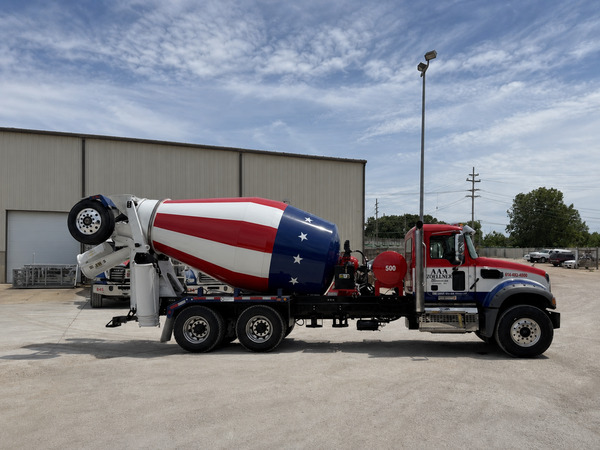
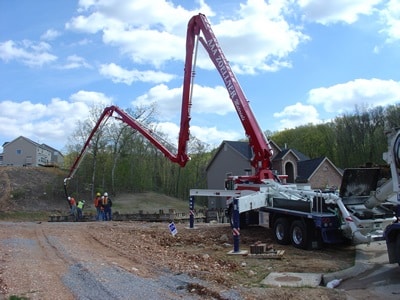
Cold-weather concrete photos

Temperature and curing guidance
Cold-weather concrete planning and protection.
Cold weather can slow set time and strength gain. AAA Zoellner may use hot water in the mix and accelerators such as calcium chloride or non-chloride accelerator, with NCA products preferred when reinforcing steel is present.
Never place concrete on frozen subgrade. Warm the subgrade, forms, and reinforcing steel, place early in the day when possible, and protect the concrete after placement.
Review cold-weather timing
Call the plant nearest the jobsite for pricing, scheduling, product availability, and project-specific questions.
View locationsProtection details
Temperature, curing, and freeze-thaw protection.
Before and during placement
Use hot water or accelerators when appropriate, warm forms and rebar, avoid frozen ground, and watch concrete temperature if mixes approach 75°F.
Coordinate mixAfter placement
Use heated enclosures when needed, vent combustion heaters, and maintain concrete above 50°F during the critical early curing window.
Ask dispatchCuring and sealing
Use insulation blankets or straw, protect against freeze-thaw until about 3500 psi, cure at least seven days, and do not seal freshly placed concrete in freezing conditions.
Curing guideMix and delivery coordination
Plan cold-weather concrete
Placing and finishing
Cold-weather placement still requires good subgrade, forms, reinforcement, screeding, floating, edging, jointing, and finishing timing.
Learn moreReady mix dispatch
Discuss temperature, timing, reinforcement, and accelerator needs before the truck is loaded.
Learn moreCuring and care
Protect new concrete during the first week and delay sealing until weather and concrete age are appropriate.
Learn moreReady for a cold-weather pour?
Schedule cold-weather concrete with subgrade preparation, heated enclosures, heater venting, curing protection, and freeze-thaw protection already planned.
Cold weather concrete can succeed, but only when the site, mix, placement crew, and curing protection are coordinated.